









About this Route
Beginning at Coaltown Roastery, Discover a scenic and history-rich 6-mile walk starting from Coaltown, exploring the legacy of Betws’ coal mining heritage. This route takes you through the town centre, past All Saints Church and the Gorsedd, along peaceful countryside paths and former British Coal sites, including old workshops and machinery. Highlights include ancient oak trees, charming farms, and a loop through Betws Park.
Dogs are welcome on the route but must be kept on a lead near livestock and farm areas. Please clean up after your pet. Sections include rough paths, mud, and narrow tracks which may be slippery in wet weather. Sturdy footwear is advised.
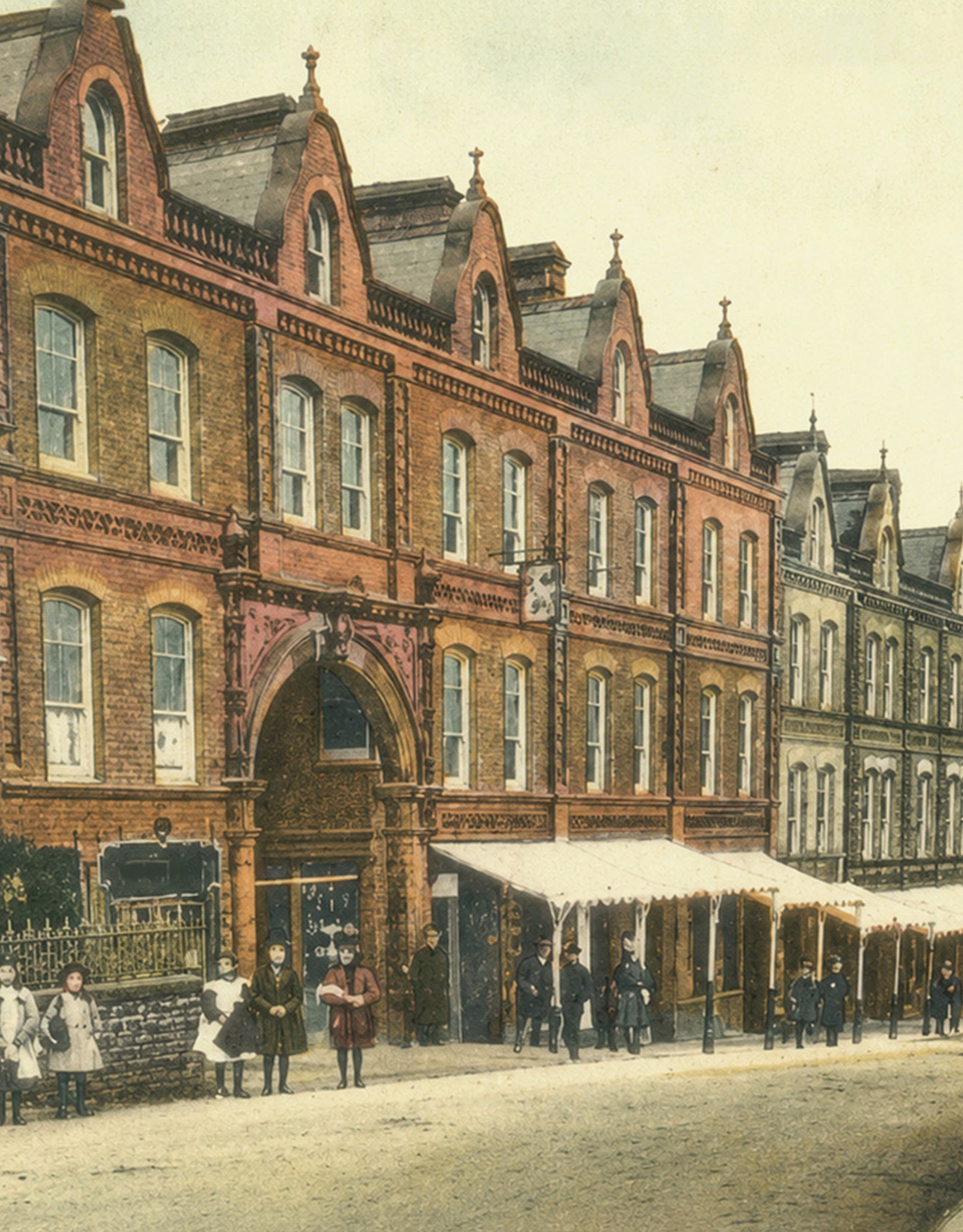
1. Coaltown to Ammanford Arcade
Start at Coaltown Roastery before heading into Ammanford's beautifully preserved Victorian Arcade. Opened in 1898, the Arcade is one of the town's most distinctive architectural landmarks and a lasting symbol of its prosperity during the South Wales coal boom. Designed as a covered shopping arcade, it brought together independent traders and local businesses beneath its elegant glass roof, creating a bustling centre for the growing mining community.
More than a century later, the Arcade remains at the heart of Ammanford, offering a rare glimpse into the town's rich industrial heritage.

2. All Saints Church & Gorsedd
Standing proudly above the town, All Saints Church dominates Ammanford’s skyline with its impressive Gothic Revival architecture. Built between 1911 and 1915, the church was constructed to serve the rapidly growing population created by the coal boom. Its striking clock tower, completed in 1926 as a memorial to those lost during the First World War, can still be seen from miles around and has become one of Ammanford’s best-known landmarks. The church is Grade II listed and was designed using Forest of Dean stone with Bath stone detailing.
Nearby lies Ammanford’s Gorsedd Stone Circle, a symbol of Welsh culture and literature. Although it resembles an ancient monument, Gorsedd circles are a much more recent tradition, associated with the National Eisteddfod and ceremonies celebrating Welsh language, poetry and music. Whenever Ammanford has hosted an Eisteddfod or major cultural gathering, the Gorsedd has provided the ceremonial setting where poets, musicians and writers are honoured.
Listen to Jenifer Melony talk about the Gorsedd & Eisterfod Ceremony Below.
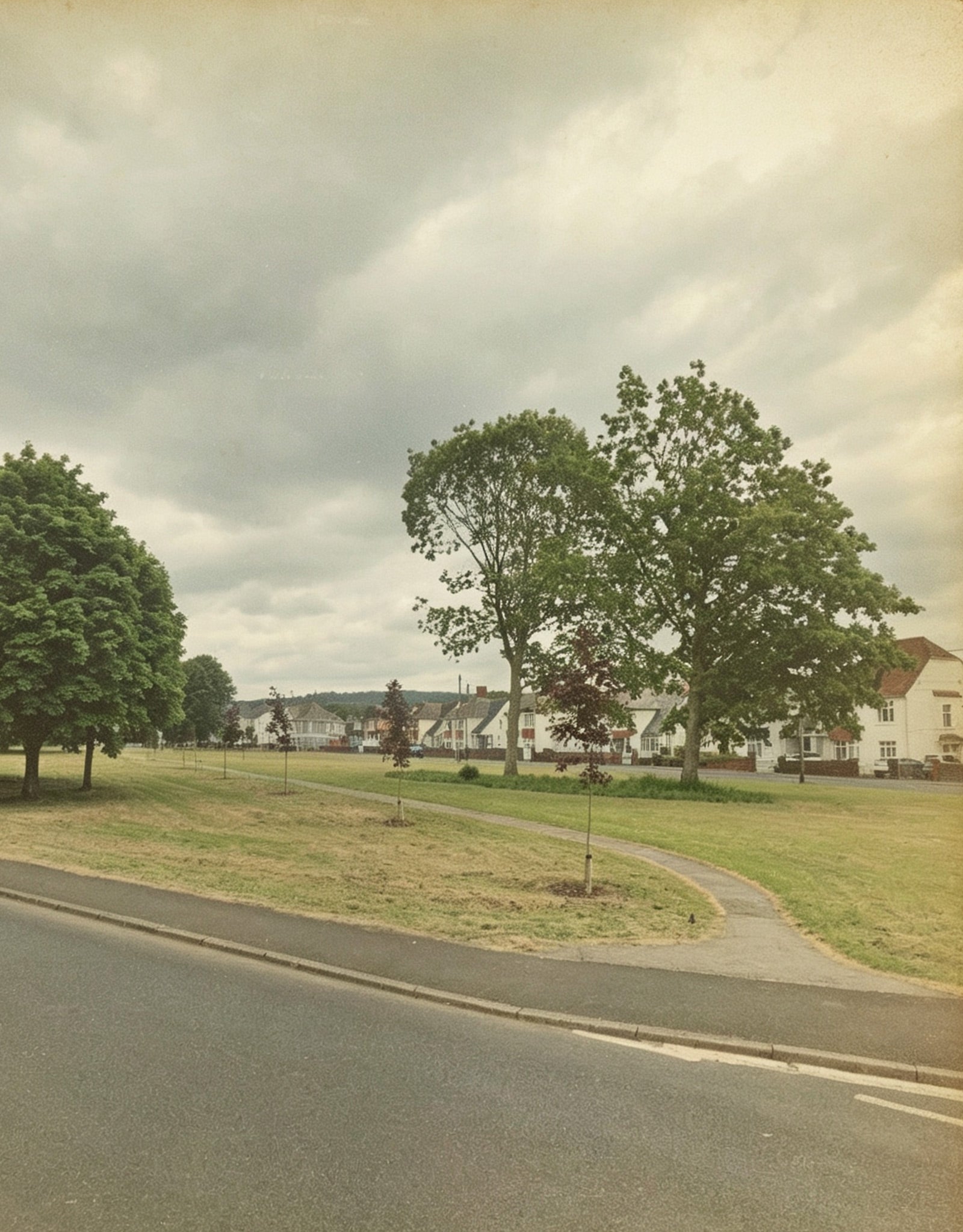
3.1 Bonllwyn Green & Heart Of Wales Footpath
Leaving the town behind, the route follows Footpath 68/2 past Bonllwyn Green, where the landscape quickly changes from urban streets to peaceful countryside. This contrast reflects how closely industry and agriculture existed side by side throughout the Amman Valley. Miners often kept smallholdings or allotments, allowing families to supplement their income while working underground.
Joining the Heart of Wales Footpath, one of Wales’ premier long-distance walking routes, you follow paths that have connected farms and villages for centuries. The surrounding fields, hedgerows and woodland are rich in wildlife, including buzzards, red kites and a wide variety of wildflowers during spring and summer.
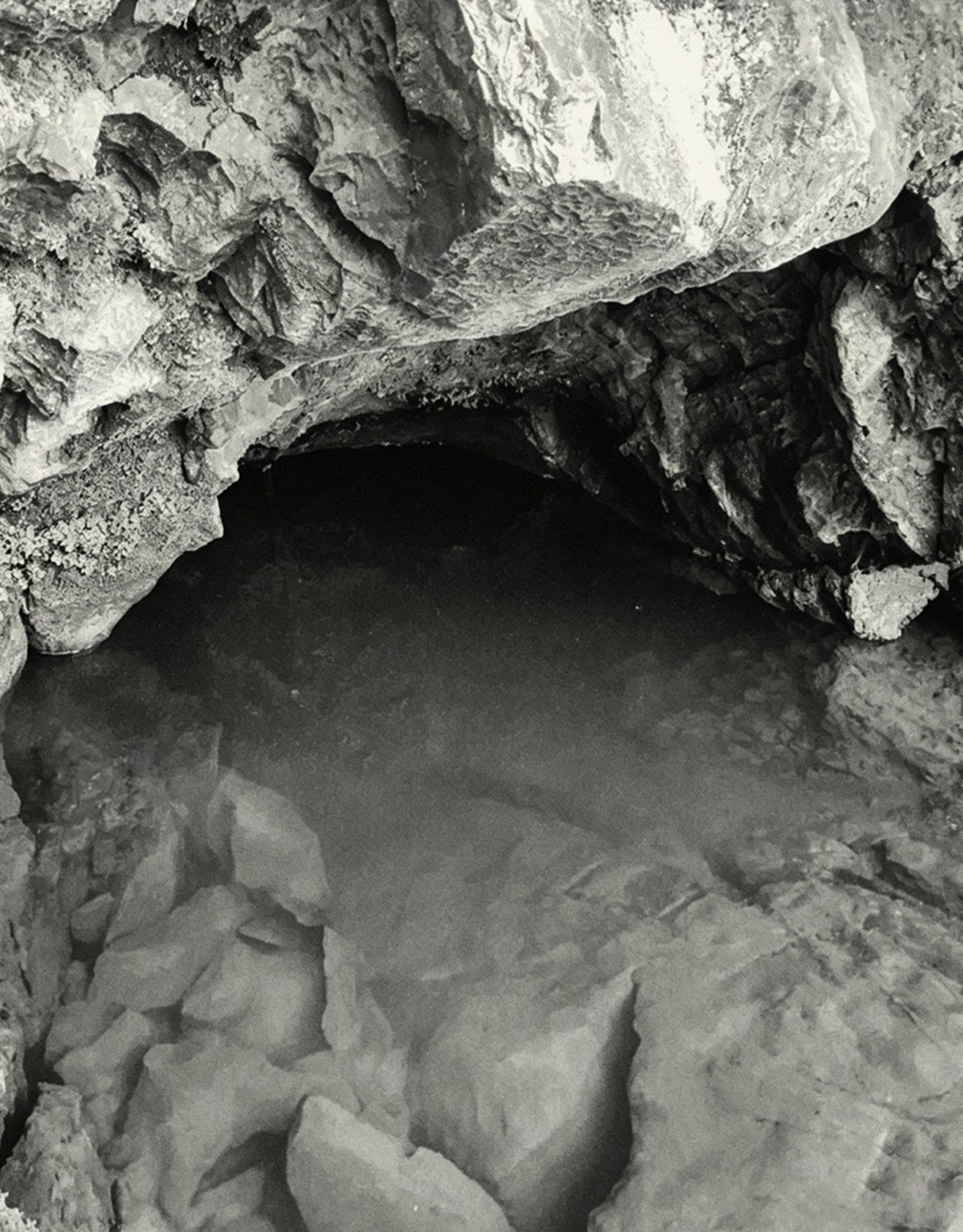
3.2 River Loughor Crossing
Crossing the River Loughor (Afon Llwchwr) brings you to one of the most fascinating natural features in South Wales. The river begins high beneath the Black Mountain, where rainwater disappears into an extensive limestone cave system before dramatically re-emerging at Llygad Llwchwr, whose Welsh name means “The Eye of the Loughor.” This powerful spring is one of Wales’ largest natural resurgences and marks the true visible source of the river.
From here the river flows for over 30 miles, eventually forming the tidal Loughor Estuary before reaching Carmarthen Bay. For centuries it has acted as both a natural boundary and a vital resource, providing water for farms, powering mills and later supporting the heavy industries that developed along its banks. The river also played an important role in local folklore, with the mysterious underground waters inspiring many traditional Welsh legends.
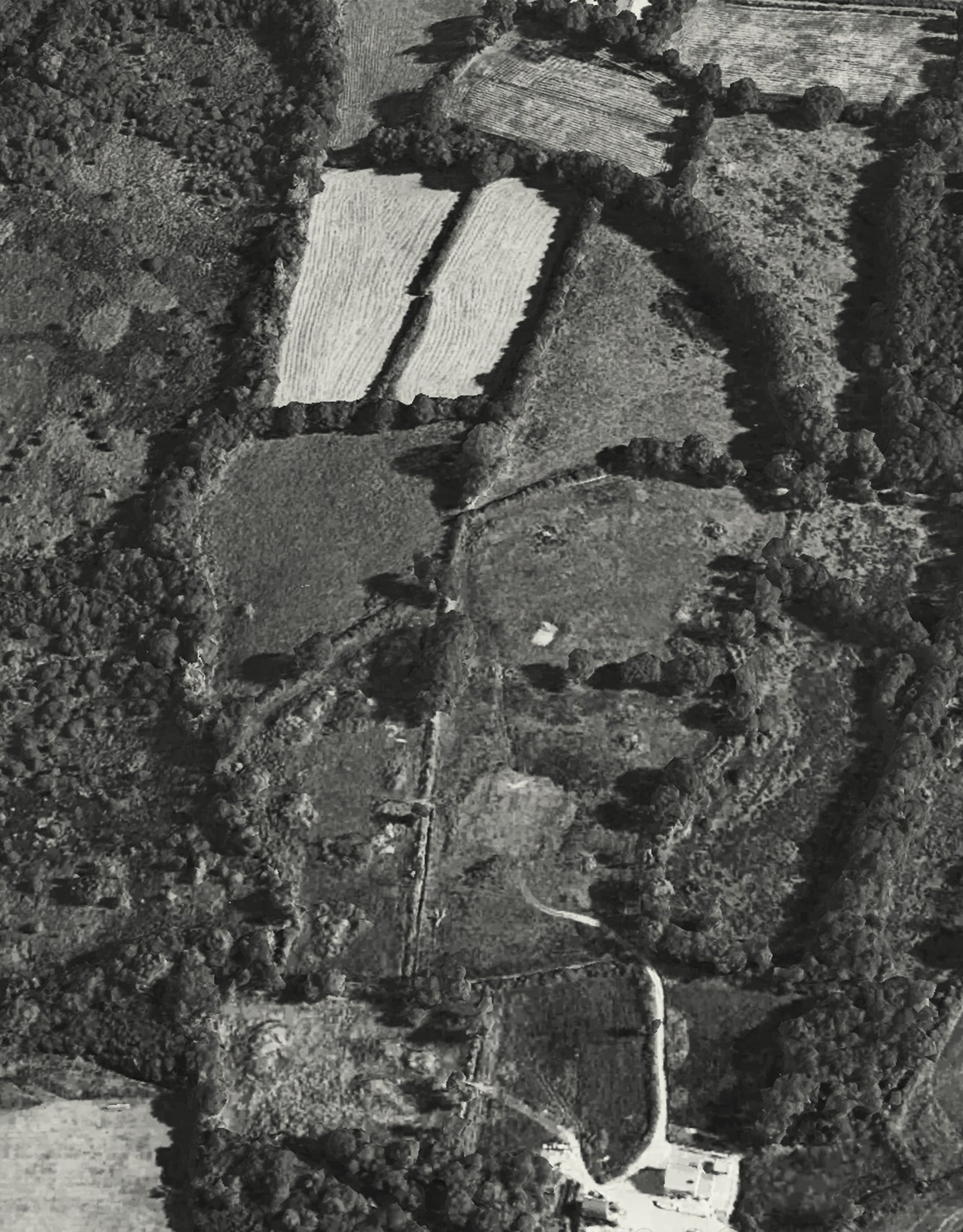
4. Gelli Gweirdy Farm Via Public Footpath
The route continues along a traditional public access path towards Gelli Gweirdy Farm, following rights of way that have connected rural communities for generations. These green-dotted paths shown on Ordnance Survey maps often follow ancient tracks established long before formal highways existed.
The surrounding farmland illustrates how agriculture remained an essential part of life, even during the height of coal mining. Many local mining families supplemented their income by keeping livestock or working the land during evenings and weekends. As you pass through the kissing gate and continue south, notice the patchwork of hedgerows, mature trees and stone boundaries that have changed remarkably little over the last century.

5. Pontamman Footbridge & Battle Of Ammanford
The crossing at Pontamman was the scene of one of the most dramatic episodes in Welsh industrial history. During the 1925 Anthracite Strike, tensions between miners and mine owners escalated after the dismissal of a miner at Ammanford Colliery. What began as a local dispute quickly spread across the anthracite coalfield, eventually involving around 20,000 miners.
Pontamman Bridge became a focal point for confrontations between striking miners and large numbers of police brought into the valley. Violent clashes occurred as authorities attempted to escort strikebreakers into the collieries, leaving many injured and creating national headlines. Although overshadowed by the General Strike that followed in 1926, many historians regard the events at Ammanford as one of the defining moments in Welsh industrial relations, highlighting both the solidarity of mining communities and the hardships faced during the decline of the coal industry.
Listen to a recording of Evan Williams, a Betws Collier discussing the miners strikes in 1925.
6. Old Betws Mine / Workshops
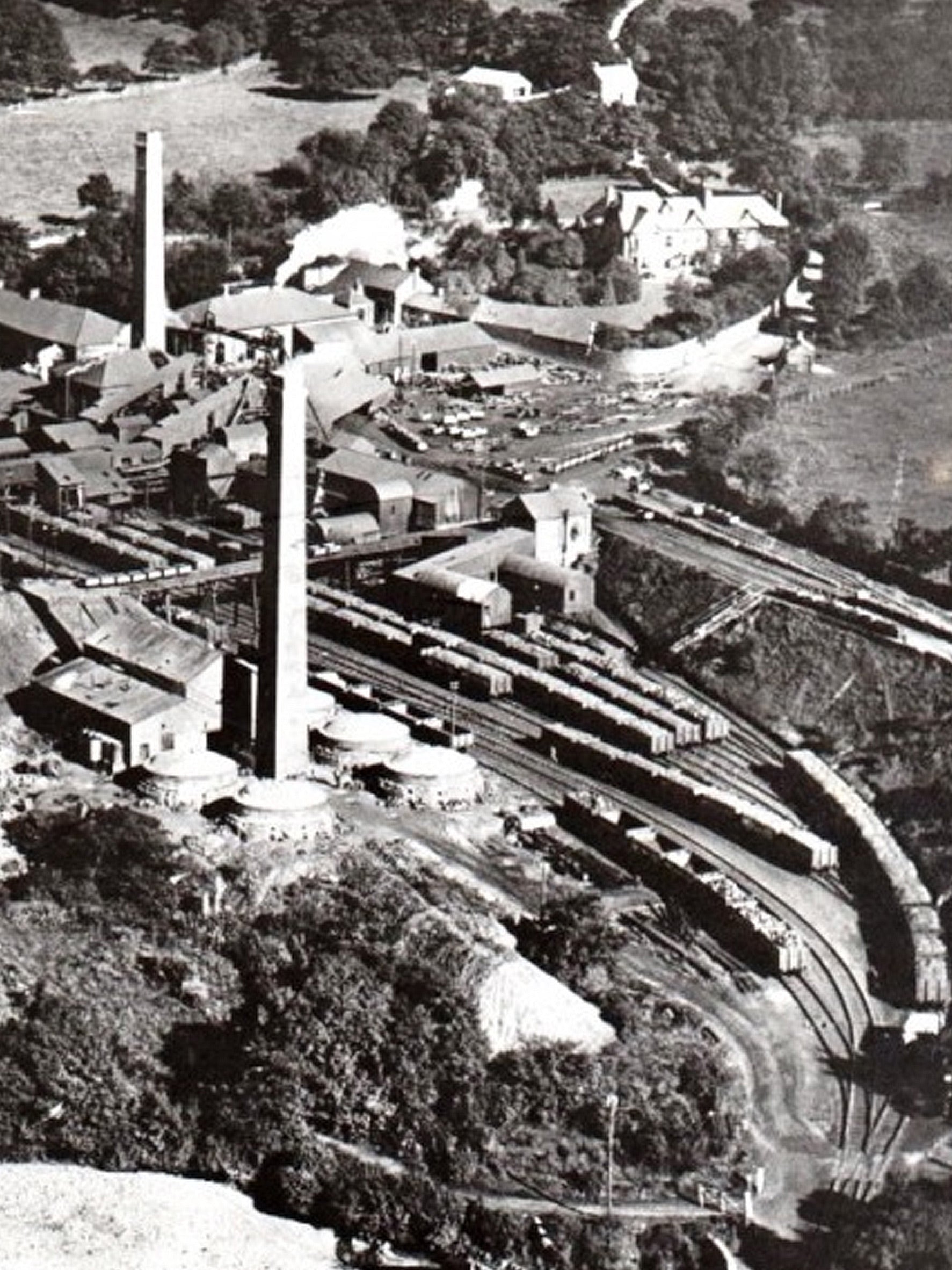
The area around Old Betws Mine reflects more than a century of industrial change. Betws Colliery formed part of the rich anthracite coalfield that made the Amman Valley internationally famous for producing one of the world’s cleanest-burning coals. The workshops and engineering buildings supported mining operations by repairing machinery, producing equipment and maintaining the extensive infrastructure required underground.
After mining declined during the late twentieth century, many industrial buildings found new uses. Parts of the former industrial complex later became workshops and business units, demonstrating how the area adapted following the closure of the collieries. What was once a hive of heavy industry has gradually evolved into a centre for smaller local businesses while retaining visible reminders of its mining past.
7. Betws Tunnel Entrance & Cutting Wheel
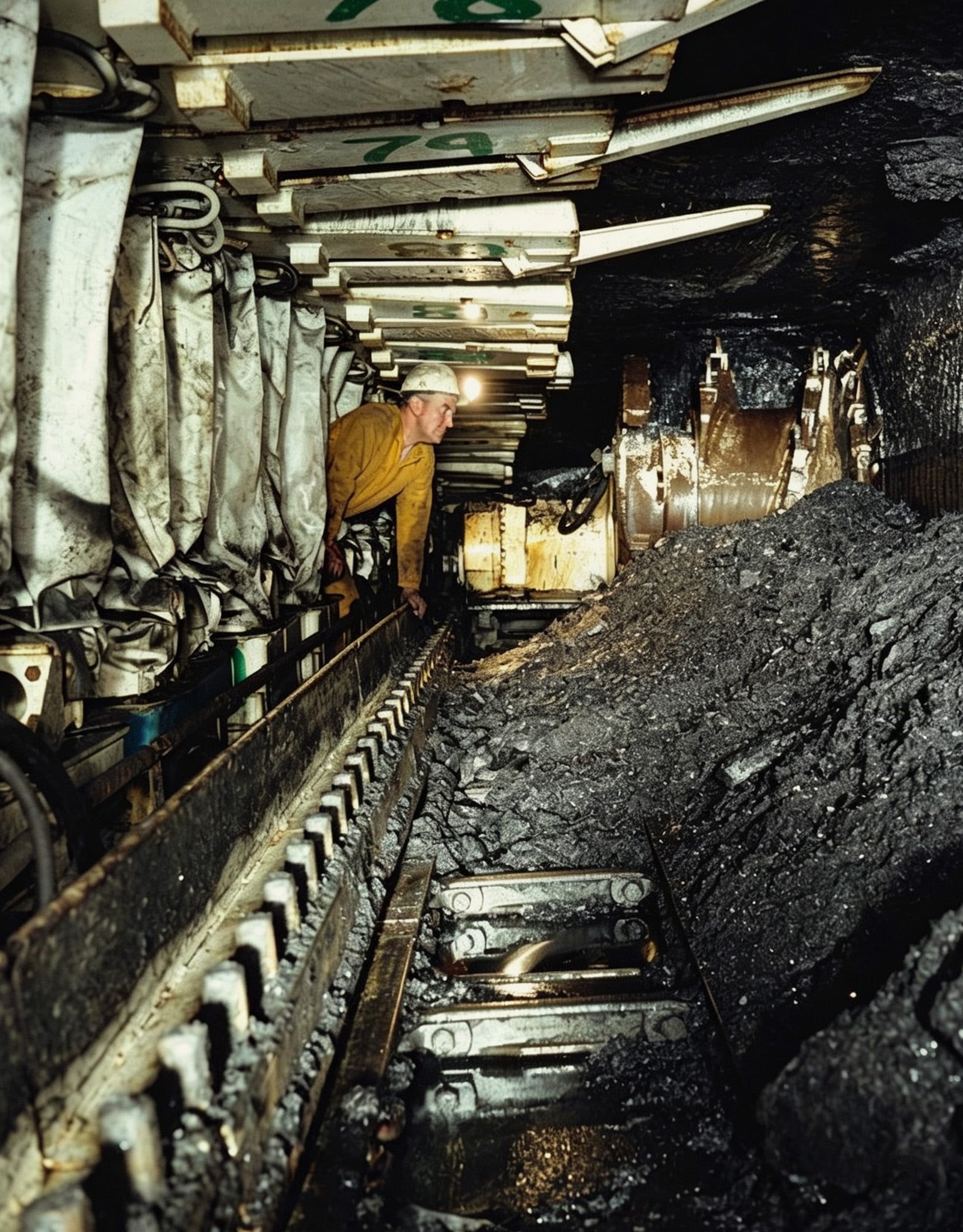
One of the most significant heritage features along the walk is the reconstructed entrance to the 1890 Betws Colliery Tunnel, accompanied by a preserved coal-cutting wheel. Together they commemorate the thousands of men and boys who worked underground in difficult and often dangerous conditions.
Unlike early shallow pits, the tunnel allowed miners to reach deep anthracite seams by walking directly into the hillside before descending further underground. The cutting wheel displayed here represents the gradual mechanisation of mining during the twentieth century, replacing much of the earlier hand-cutting techniques. The memorial serves not only as a tribute to local miners but also as a reminder that generations of families across Betws and Ammanford depended upon these collieries for their livelihoods.
Image Credit: © Amgueddfa Cymru - Museum Wales

8. Big Oak Tree & Nant Y Finn River
Beside the peaceful waters of Nant y Ffin stands one of the area’s oldest living landmarks, a magnificent Sessile Oak with a girth of approximately 6.2 metres. Such trees often live for several centuries, meaning this oak may already have been mature long before the Industrial Revolution transformed the valley.
This tranquil stretch of the walk is closely associated with the celebrated Welsh singer Donald Peers, who immortalised the nearby river in his song “In A Shady Nook (By A Babbling Brook)”. Peers, born in nearby Ammanford, frequently celebrated the landscapes of his childhood in both English and Welsh, helping to introduce the beauty of the Amman Valley to audiences around the world.
9. Betws Park & Return To Coaltown
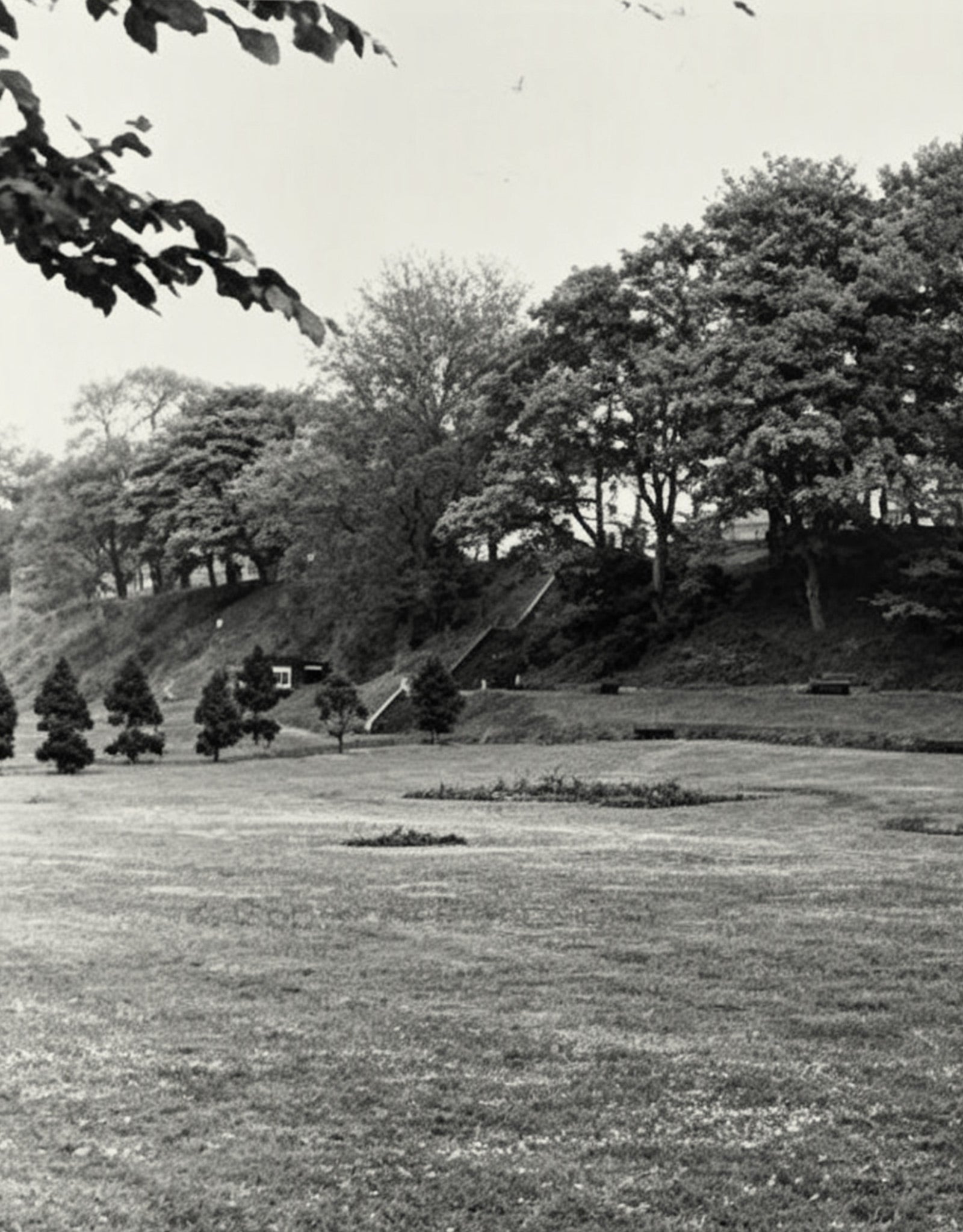
The final section circles Betws Park, a landscape with an unexpected history. The land was gifted to the people of Ammanford by Lord Dynevor in 1903, but rather than becoming a public park immediately, it was used for many years as the town’s rubbish tip. During the early 1930s, local volunteers undertook the remarkable task of transforming the neglected site into a recreational space, creating paths, sports facilities and landscaped gardens entirely through community effort.
Today, the park is one of Ammanford’s most valued green spaces, demonstrating how local determination can reshape a landscape. Recent improvements, including new wildlife areas and sensory gardens, continue that tradition of community stewardship. Completing the circuit back towards Coaltown provides a fitting conclusion to the walk, linking the area’s industrial past with its modern regeneration, a journey through more than two centuries of Ammanford’s remarkable history.
Image Credit: © Francis Firth Collection
Frequently Asked Questions
Dogs are welcome on the route but must be kept on a lead near livestock and farm areas. Please clean up after your pet.
Sections include rough paths, mud, and narrow tracks which may be slippery in wet weather. Sturdy footwear is advised. The walk is not pram or wheeshair friendly.
For a relaxed, everyday walking pace this walk takes roughly two hours and fifteen minutes.